A new book featuring excerpts of Pope Francis private diaries has been released, expressing “his most intimate hopes and fears, struggles and prayers,” according to the book description.
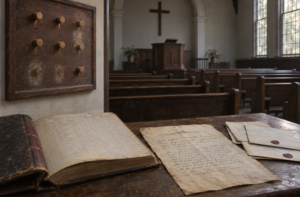
Francis, then known as Jorge Mario Bergoglio, kept a diary intermittently since 1992. He wrote 86 pages over 20 years until he became pope in 2013, and then only 55 more pages until his death.
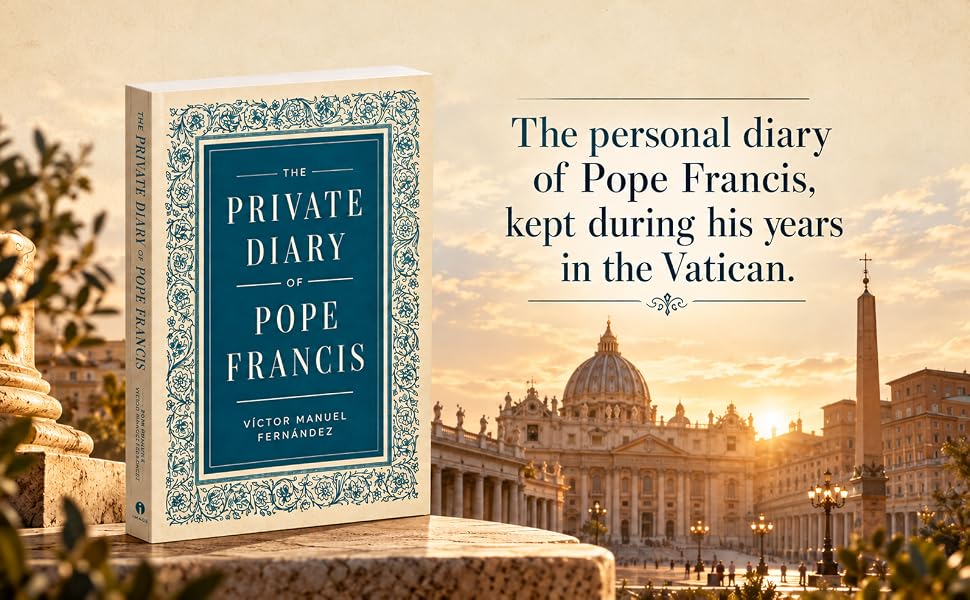
His close friend and confidant, Cardinal Victor Manuel Fernández, head of the Dicastery for the Doctrine of the Faith, turned these into a book titled “The Private Diary of Pope Francis.”

Anyone hoping that the diary entries might offer insights into controversial papal decisions or even just dish a little gossip about Francis’ vast entourage of cardinals and cohorts may be disappointed. “The most confidential matters are written in code, using symbols that we cannot and should not decipher,” Cardinal Fernández writes.
The cardinal also redacted the entries, eschewing chronology and, in many cases, context.
Still, some highlights include:
Workaholism: Dec 4. 1994. “Strong movement not to protect myself behind a schedule but instead to be available for whatever is asked of me. Not to defend what I like and my time.”
Being treated as elderly: July 31, 2011. “He told me three times that I’m an old man. He’s the first person who dared say this to me. I must bear it.”
Self doubt and examination: April 18, 2010. “The Lord allowed me to see the greatness of my baseness. I saw how many times I allow feelings of disdain, envy, pride to overtake me. I feel so ashamed.”
The Devil: Aug. 18, 2024. “In briefly running through my life, I saw moments in which the devil made himself present …I felt the Lord’s invitation to be more attentive and more careful and not to assent to [the devil’s] presence. I beg the Virgin to protect and help me.”
Likewise American Magazine writes:
“What will surprise many people, however, is how Bergoglio describes his “visions” or encounters with “the devil.” He wrote, “I don’t doubt that he was physically present.” He mentions two such encounters as archbishop of Buenos Aires: first, from the car, when he saw “his menacing and, at the same time, seductive eyes” and, on another occasion, during a celebration in the Chapel of Carmel Parish in Buenos Aires, he appeared again with “eyes of fire,” with a “gaze stronger than the previous. They were like flames of fire.” He described them not as temptations but “rather an enticing situation that provoked curiosity.”
The third encounter happened “a few days” after his return from Chile, which he visited in January 2018: “I was in a meeting. I saw him and heard his voice, triumphant, possessing everything: ‘Now I’ve gotten everything I wanted.’” Much later he wrote, “Just as I can’t forget his eyes from the previous two, in this case, I can’t forget the powerful raspiness of his voice.”
The NYT concludes with these thoughts:
Personal Crisis
In 2021 and 2022, Francis experienced a crisis that, he wrote on Dec. 30, 2022, took the form of “withdrawal and worldliness.” He referred to it as being “mixed with governance issues, pressure regarding decisions to make, and aridity and desolation.”
It is here that some readers may find the scarcity of context especially frustrating. But in the end, while the diary entries were written by Francis, the book itself is the work of Cardinal Fernández — and he makes clear he is willing to go only so far.
At its outset, he says he does not “intend to elaborate my own theories about Pope Francis in this book or to offer a personal study or interpretation regarding his thought.”
Still, Cardinal Fernández relents a bit in presenting the excerpts about the crisis. It involved, he says, temptation related to the use of power and regrets about the “lack of goodness in his motivations and aspirations.”