


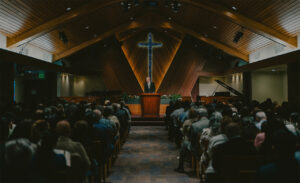
Pastor At Boshoff (Adam Johannes Jakobus Boshoff) is the founder and senior pastor of Christian Revival Church (CRC), a large South African megachurch based in Bloemfontein with over 90 campuses worldwide and more than 120,000 members.
A televangelist whose sermons reach millions across the world, he has shared a stage with figures such as Steven Furtick, Ed Young, John Bevere, Samuel Rodriguez, Rodney Howard-Browne, and others—a prominent figure in South African Christianity for over three decades.
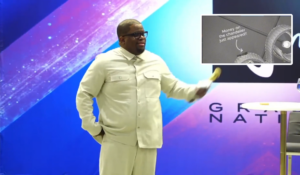
If you want a glimpse of what type of pastor he is, here is a clip of Boshoff at the 2015 C3 Conference, saying he would fire anyone for disloyalty, and that he once fired a pastor for saying he serves God and not man.
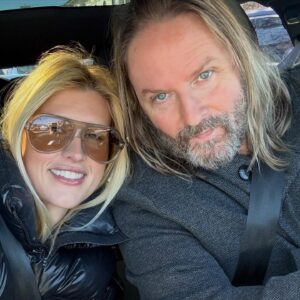
At is happily married to Pastor Nyretta Boshoff. She heads up the Creative Arts ministry and directs the Music ministry of the congregations in Bloemfontein, Pretoria, and Johannesburg. She’s also the executive producer of CRC’s in-house praise and worship music release albums, speaks at women’s conferences, heads up the women’s ministry, ministers to the CRC pastors’ wives, and organizes and coordinates various CRC events.
Or so they would have us believe.
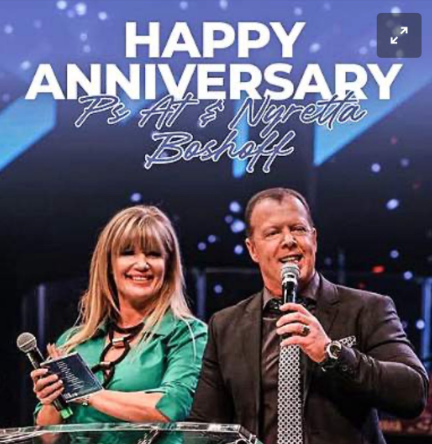
On December 5, 2024, in a since-deleted post, CRC London shared a celebratory message to the blessed couple, wishing them a happy anniversary.
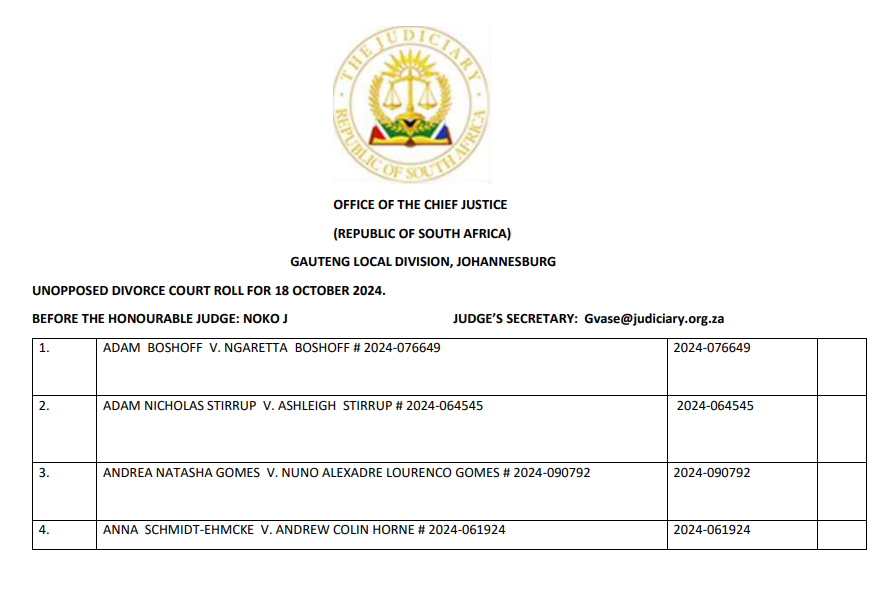
What they didn’t know, and what no one would know for more than a year, is that the couple filed for divorce and had formalized it a few months before, in October 2024, according to recently unearthed court documents from the Gauteng local division of the Office of the Chief Justice.
Awkward.
With the divorce being unopposed, meaning that Nyretta did not contest it, Project CBNews notes that “the separation likely occurred in late 2023 or early 2024, yet throughout this period:
- Boshoff continued to preach from CRC’s pulpits as a married man
- The church’s official materials continued to describe him as married to Pastor Nyretta
- His Instagram biography still states: “Married to @ngaretta_boshoff”
- Church websites and promotional materials maintained the facade of an intact pastoral marriage
- Social media posts celebrated their “marriage” anniversary.”
Seemingly, there were no board members or elders who demanded accountability including, at the very least, the courtesy of informing their congregations that the pastors had split up.
By all accounts, the church leadership had no intention of saying anything, if not for the story being revealed by the South African newspaper Rapport on December 20, 2025.
Yet even now, despite the news having broken, it has not been widely reported. Many CRC members remain unaware of the divorce and numerous comments online continue to question the validity and reliability of the reports.
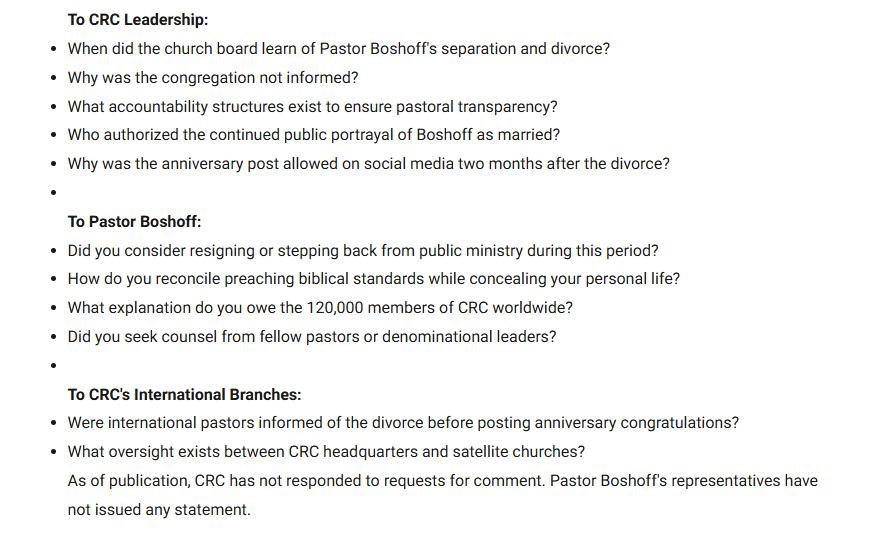
Project CBNews has a list of questions for associated folks to consider in light of concealing a divorce for years:















3 responses to “Megachurch Pastor With 120K Members Secretly Divorces Wife, Doesn’t Tell Church”
Av tuma Goyim avoda zara – simply ewwwwwwwwwwww. The idea of Hell Fire & Brimstone goes hand in glove with the Pauline propaganda of “original sin” and the need of Man for JeZeus the false messiah.
In the Torah and the rest of the Hebrew Bible, Sheol (שאול) – not “Hell,” nor “Heaven.” Sheol a poetic, neutral term for: the grave. The Greek notions of an underworld or the Egyptian mythology of “the realm of the dead” – the place where all humans go when they die, righteous or wicked – not a subject of Torah common law. Why? The revelation of the Torah at Sinai for the living and not the dead. The aggadah located in mesechta ברכות explicitly teaches this mussar through the story of a Man after having a fight with his wife going out and sleeping in a graveyard. The halacha likewise instructs this exact same mussar when ever a Jew enters a graveyard he first tucks his tzitzit inside his pants because mitzvot only apply to the living and not the dead.
The Torah does not present a dualistic afterlife system. No eternal Heaven for the righteous. No eternal Hell for the wicked. Moshe cut an oath brit of either Blessing/Curse – rule the land with justice vs endure Egyptian slavery injustice. The latter called g’lut/exile.
The Talmudic reference of “gehinnom” refers to the T’NaCH geographic valley south of Jerusalem wherein assimilated and intermarried Jews sacrificed their sons and daughters to other Gods, specifically Molech in Gê Ben‑Hinnom. The Baal worship completely apart and different from the worship of Molech.
The aggadic portions which address this subject have no halachic applications – despite the Rambam who erroneously ruled otherwise in the matter of the 7 mitzvot gere toshav. Talmudic Aggada mussar “limits” the metaphor משל “gehinnom” to 12 months duration, for simple Jews who treat Torah as religion rather than common law. Talmudic mussar addresses the concept of purification.
For example: The practice of placing a dead body in the Mikveh (a ritual bath) prior to burial for ritual purification. The abstract concept of tohor vs tuma middot stands on the foundation of Moshe warning Israel not to approach their wives three days before the revelation of the Torah at Sinai. Rabbi Meir taught 48 “degrees” of tuma. This subject based upon making a דיוק upon the 13 tohor spirits revealed to Moshe at Horev 40 days after the sin of the av tuma avoda zara Golden Calf wherein the ערב רב-assimilated and intermarried Israelites-translated the revelation of HaShem permanently living within the Yatzir Ha-Tov hearts of the chosen Cohen people – the definition of the revelation of the Torah at Sinai; instead the ערב רב worshipped word-name translations. Specifically they translated the word אלהים in the place of the 1st commandment שם השם לשמה. Therein they rejected the revelation of the Torah that tohor middot לשמה — as taught in mesechta Baba Metzia — לא בשמים היא.
Immersing the body in the Mikveh showcases the community’s respect for the deceased. This act, ideally performed by the chevra kadisha, (a sacred burial society dedicated to the preparation of the body), adhering to specific halachic rituals and maintaining the dignity of the deceased. The practice of placing a deceased body in the Mikveh prior to burial emphasizes purification, respect, and adherence to Jewish law – as the last act, akin to saying kre’a shma before dying. Engaging in these halachic rituals – a show of respect for the living family survivors who mourn for their dead as an opening expression of their mourning.
Av tuma Goyim avoda zara – the definition of “false prophets”. The idea of Hell Fire & Brimstone goes hand in glove with the Pauline propaganda of “original sin” and the need of Man for JeZeus the false messiah. The lie told by these tuma religions: SIN! Rather than “the pursuit of righteous justice”/judicial courts imposing fair restitution of damages inflicted among “allies”.
In the Torah and the rest of the Hebrew Bible, Sheol (שאול) – not “Hell,” nor “Heaven.” Sheol a poetic, neutral term for: the grave. The Greek notions of an underworld or the Egyptian mythology of “the realm of the dead” – the place where all humans go when they die, righteous or wicked – not a subject of Torah common law. Why? The revelation of the Torah at Sinai for the living and not the dead. The aggadah located in mesechta ברכות explicitly teaches this mussar through the story of a Man after having a fight with his wife going out and sleeping in a graveyard. The halacha likewise instructs this exact same mussar when ever a Jew enters a graveyard he first tucks his tzitzit inside his pants because mitzvot only apply to the living and not the dead.
The Torah does not present a dualistic afterlife system. No eternal Heaven for the righteous. No eternal Hell for the wicked. Moshe cut an oath brit of either Blessing/Curse – rule the land with justice vs endure Egyptian slavery injustice. The latter called g’lut/exile.
The Talmudic reference of “gehinnom” refers to the T’NaCH geographic valley south of Jerusalem wherein assimilated and intermarried Jews sacrificed their sons and daughters to other Gods, specifically Molech in Gê Ben‑Hinnom. The Baal worship completely apart and different from the worship of Molech.
The aggadic portions which address this subject have no halachic applications – despite the Rambam who erroneously ruled otherwise in the matter of the 7 mitzvot gere toshav. Talmudic Aggada mussar “limits” the metaphor משל “gehinnom” to 12 months duration, for simple Jews who treat Torah as religion rather than common law. Talmudic mussar addresses the concept of purification.
For example: The practice of placing a dead body in the Mikveh (a ritual bath) prior to burial for ritual purification. The abstract concept of tohor vs tuma middot stands on the foundation of Moshe warning Israel not to approach their wives three days before the revelation of the Torah at Sinai. Rabbi Meir taught 48 “degrees” of tuma. This subject based upon making a דיוק upon the 13 tohor spirits revealed to Moshe at Horev 40 days after the sin of the av tuma avoda zara Golden Calf wherein the ערב רב-assimilated and intermarried Israelites-translated the revelation of HaShem permanently living within the Yatzir Ha-Tov hearts of the chosen Cohen people – the definition of the revelation of the Torah at Sinai; instead the ערב רב worshipped word-name translations. Specifically they translated the word אלהים in the place of the 1st commandment שם השם לשמה. Therein they rejected the revelation of the Torah that tohor middot לשמה — as taught in mesechta Baba Metzia — לא בשמים היא.
Immersing the body in the Mikveh showcases the community’s respect for the deceased. This act, ideally performed by the chevra kadisha, (a sacred burial society dedicated to the preparation of the body), adhering to specific halachic rituals and maintaining the dignity of the deceased. The practice of placing a deceased body in the Mikveh prior to burial emphasizes purification, respect, and adherence to Jewish law – as the last act, akin to saying kre’a shma before dying. Engaging in these halachic rituals – a show of respect for the living family survivors who mourn for their dead as an opening expression of their mourning.
What a terrible web we weave when we practice to deceive.
Mr Boshof choice to leave wife and break his vows tell all a spiritual person needs to know. I am praying for restoration for him and the family. His ministry is gone and many people will feel the sting of sin for years.