
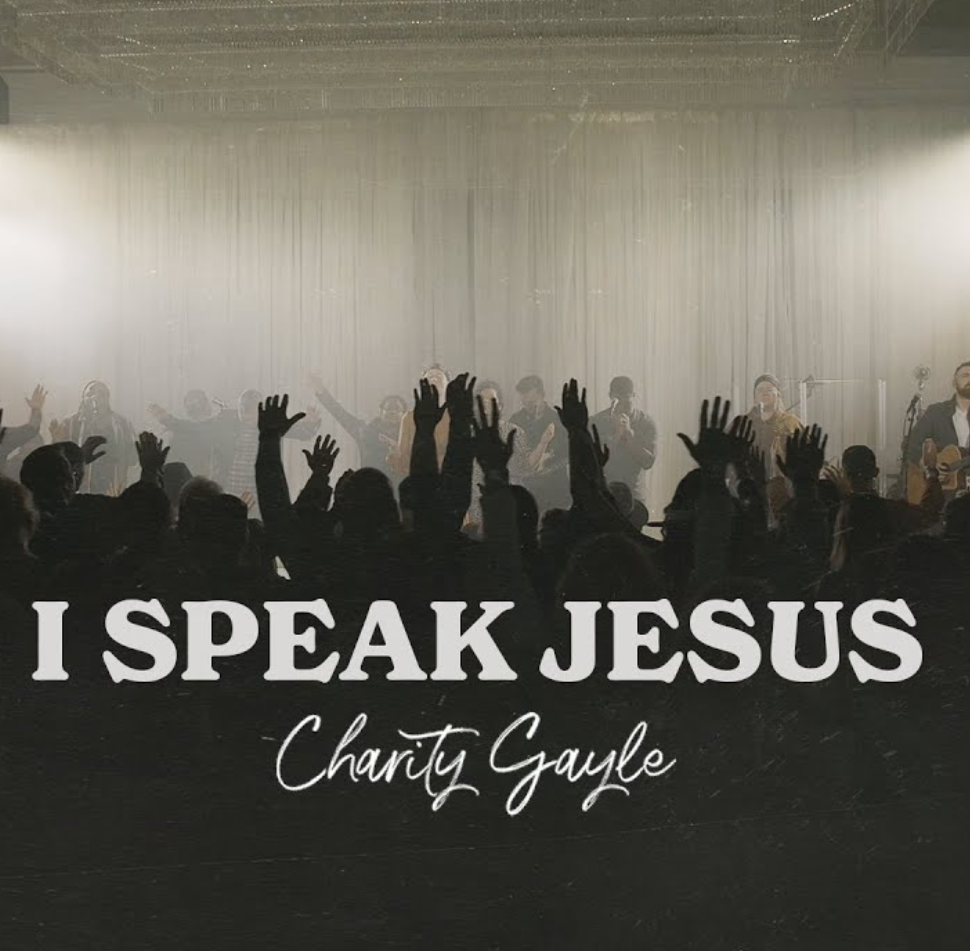
“I Speak Jesus” is one of the most recognizable worship songs of the last several years, written by Jesse Reeves, Dustin Smith, Abby Benton, Kristen Dutton, and Charity Gayle. It has become a staple in many charismatic and Pentecostal circles, largely because of its simple message that the name of Jesus brings power, healing, freedom, and victory. The song’s popularity is understandable. It is emotionally accessible, easy to learn, and repeatedly invokes the name of Christ. Unfortunately, popularity is not the same thing as suitability for corporate worship, and this song suffers from significant theological and practical problems.
Note: For a full explanation of the rubric and a primer on our scoring methodology, click here.
Doctrinal Fidelity and Clarity:
The song’s central premise is that believers should “speak Jesus” over addiction, fear, anxiety, strongholds, families, and entire regions. The obvious question is: where does Scripture teach Christians to do this?

It doesn’t.
The apostles tell believers to pray, preach the gospel, trust God’s promises, renew their minds with Scripture, and submit themselves to God’s sovereign care. They do not instruct Christians to verbally project the name of Jesus onto circumstances in order to effect spiritual change.
This is the fundamental problem with the song. Defenders often insist that “I speak Jesus” simply means proclaiming Christ. But the lyrics repeatedly present the act of speaking His name itself as the means by which chains break, fear retreats, darkness flees, and strongholds collapse.
That is not how the New Testament describes spiritual warfare.
The result is a song built around an extra-biblical practice. It may sound spiritual, but Christians should be cautious whenever a worship song normalizes activities Scripture never commands or models.
Score: 11/25.
Doctrinal Specificity:
One of the biggest weaknesses of the song is its lack of doctrinal content.
Who is Jesus?
What did He accomplish?
Why does His name matter?
What gospel truth is being proclaimed?
The song never answers these questions. It contains no reference to the incarnation, sin, atonement, resurrection, repentance, justification, holiness, or eternal life. Instead, Jesus is primarily presented as the solution to emotional struggles and life problems.
A prosperity preacher could sing this song. A Word-Faith teacher could sing this song. A Roman Catholic mystic could sing this song. Even someone with a very shallow understanding of Christianity could sing it without ever confronting the biblical gospel.
The song assumes Jesus rather than proclaiming Him.
Score: 6/20.
Focus:
The song sounds Christ-centered because Jesus’ name is repeated constantly. But repetition is not the same thing as Christ-centeredness.
A genuinely Christ-centered song teaches believers who Christ is, what He has accomplished, and why He is worthy of worship. “I Speak Jesus” largely bypasses those categories and instead focuses on what the worshiper is doing.
The operative verb throughout the song is not trust, believe, worship, adore, rejoice, or proclaim.
It is speak.
The congregation is continually directed back to its own activity. The song functions less like praise and more like a corporate exercise in declaration. Rather than magnifying Christ’s finished work, it trains worshipers to view verbal pronouncements as the primary response to life’s difficulties.
That is a significant shift away from biblical worship.
Score: 8/20.
Association:
Association matters because worship songs teach. Churches are not merely evaluating lyrics on paper. They are evaluating what a song communicates in the real world and what theological ecosystem it reinforces.
“I Speak Jesus” has become one of the defining anthems of modern charismatic worship culture because it perfectly encapsulates its assumptions. The song’s emphasis on speaking Jesus over situations mirrors contemporary teachings about declarations, strategic spiritual warfare, breaking strongholds through verbal proclamations, and similar practices.
This is not merely guilt by association. The song is popular in those circles because the lyrics themselves support those ideas.
A worship song should not require pastors to repeatedly explain that the congregation should not understand the lyrics the way they naturally sound.
Score: 2/20.
Musical Value:
Musically, the song is effective, which explains much of its success.
The melody is easy to learn. The chorus is memorable. Congregations can sing it without much difficulty. Charity Gayle’s recorded version avoids some of the excessive vocal acrobatics found in other contemporary worship songs.
That said, the song is structurally repetitive and lyrically thin. The emotional impact is generated largely through repetition and dynamic escalation rather than increasing doctrinal depth. By the fifth or sixth repetition of “Your name is power, Your name is healing, Your name is life,” the song has exhausted its theological content and is relying on atmosphere.
A congregation could sing this song several times and learn very little about Christ beyond the idea that invoking His name helps with problems.
Score: 6/15.
Total Score:
33/100
Recommendation: Pick Something Else.
“I Speak Jesus” succeeds as a catchy declaration anthem, but corporate worship requires more than a memorable slogan. The song’s central message is not the proclamation of Christ’s person and work, but the repeated speaking of His name over circumstances in expectation of spiritual results. That is not how Scripture teaches believers to confront sin, suffering, fear, or spiritual opposition.
The song is not overtly heretical. The name of Jesus is indeed powerful because Jesus Himself is powerful. Yet the lyrics repeatedly shift the congregation’s attention away from Christ’s finished work, His Word, prayer, and the ordinary means of grace, and toward an extra-biblical practice of speaking His name over problems. In doing so, the song risks treating the name of Jesus less as a revelation of His person and authority and more as a tool to be deployed against life’s difficulties.
Combined with its doctrinal vagueness and therapeutic emphasis, there is little reason to recommend this song for corporate worship. Churches need songs that teach believers who Christ is, what He has accomplished, and how Scripture calls them to respond in faith and obedience. “I Speak Jesus” does none of those things particularly well. Congregations would be better served by songs that proclaim Christ rather than songs that encourage believers to perform spiritual declarations. There are far better options available.