
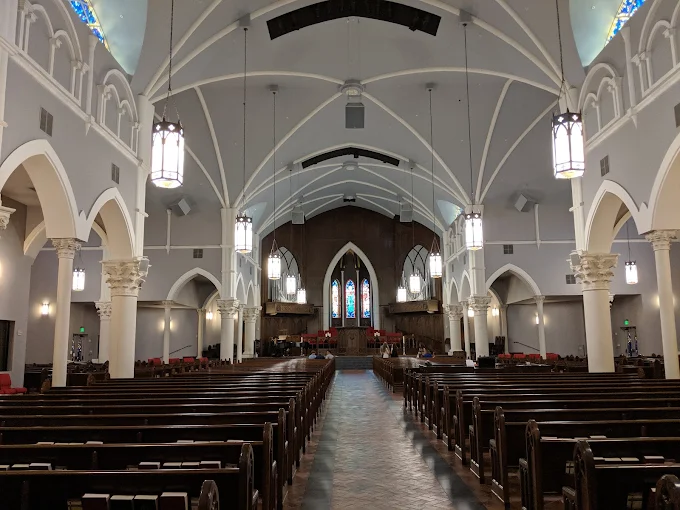

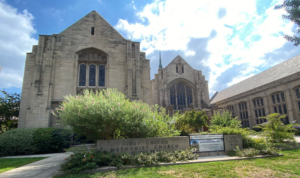
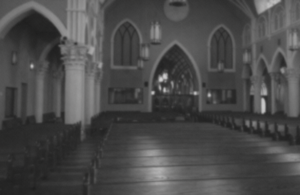
Saint Andrew’s Chapel, a prominent Presbyterian Church in America (PCA) congregation in Sanford, Florida, overwhelmingly voted to leave the denomination just two years after joining it, with the final tally 669–108.
One of the largest PCA churches in the country, with more than 1,100 members, Saint Andrew’s was formerly led by the late R.C. Sproul.
The decision to disaffiliate comes months after senior pastor Burk Parsons was suspended indefinitely from the pulpit after being found ‘guilty ‘of unbecoming pastoral conduct by the PCA’s Central Florida Presbytery. Parsons previously plead guilty to similar charges in 2019 and received admonition at that time.
Many members have criticized the disciplinary actions against their pastor, however, describing the charges as spurious and unfounded.
It was originally thought the church would wait for Parsons’ appeal of his suspension before acting, but they ultimately proceeded with the vote this past Sunday, with 86% deciding to depart.
In addition to the charges against Parsons, the church faced criticism from the presbytery over a lack of financial transparency with members. The church reportedly refused multiple requests from members to provide them with financial statements detailing expenses and the salaries of the Teaching Elders and staff.
Getting nowhere with the church, member Doug Risavy filed a complaint with the Central Florida Presbytery. The presbytery formed a commission and, after investigating, agreed with the requesting members that Saint Andrew’s needed to provide the budget information requested. The commission pointed out that the church’s own bylaws pledged to provide this information to members when asked, and then proceeded to educate the newly inducted church that financial transparency was central to Presbyterian governance.
Despite the rebuke and instruction, Saint Andrew’s declined to comply or participate further.
Now independent of the PCA, the church has not yet finalized whether it will remain unaffiliated or join another conservative Presbyterian denomination. They’ve sent letters to members outlining possible next steps under consideration.
















21 responses to “Saint Andrew’s Chapel Votes To Leave the PCA Two Years After Joining”
There is a factual error in this report. The church leaving the PCA does not affect the action of the presbytery against Parsons. Parsons’ credentials remain with the presbytery and the action is ongoing. A pastor’s membership in the PCA is in his presbytery and his church’s membership in the PCA is separate from his, so that it will take two separate actions for both Parsons and the church to leave. This action only affected the church.
Um, okay, so? What does this mean?
Parsons can resign from the PCA or be removed from membership in the presbytery. He cannot pastor a different PCA church without presbytery approval.
The past tense of “plead” is “pled.”
No, it isn’t. It’s “pleaded.”
The ACCURATE answer is “The past tense of “He will plead guilty” is “He pleaded guilty” or “He pled guilty.” Both forms are acceptable, but “pleaded” is more commonly used.” (found on internet at grammar-monster.com).
The ACCURATE answer is “The past tense of “He will plead guilty” is “He pleaded guilty” or “He pled guilty.” Both forms are acceptable, but “pleaded” is more commonly used.” (found on internet at grammar-monster.com).
This article leaves out two important points:
1) Pastor Parsons case is currently being appealed to the Standing Judicial committee of the PCA.
2) In contrast to many other well functioning PCA presbyteries, the Central Florida Presbytery is particularly dysfunctional.
I’m a new member of SAC and the PCA. I’m extremely distraught over these shenanigans. I spent many hours in prayer and meditation about which church to join upon moving to CF. I would not have joined SAC had it been “independent” or non-denominational. I feel like the Session muddied the waters with emotional framing, push-polling, and deceit in order to manipulate the members to vote in their favor. I will not be staying in a church that doesn’t value discipline and has no oversight. I believe presbyterian polity is the only sound and biblical form of church governance. However, with SAC of of CFP, CFP will now drift further left. I guess I’ll be looking into ARPC or RPCNA.
Try the OPC. There’s two in the greater Orlando area.
Lake Sherwood OPC is a faithful OPC congregation in the Orlando area. I have worshipped with them when visiting that area and was well nourished by the church there. I would recommend them highly
The is no leftward movement in the CFP. On the contrary, the CFP went to great lengths to correct the lack of accountability at SAC and correct their Session’s lack of oversight of Dr. Parsons. That lack of care plus their failure to discipline members who were causing division in the congregation by interfering with the biblical judicial process has brought public disrepute to Christ’s Church. Two years ago, SAC told their members they must affiliate with the PCA for the express reason to provide a source for future needed pastors. Dr. Parsons had been in the CFP for 20 years. Did the CFP go leftward after SAC joined? The record is clear; the SAC Session has no intention of submitting themselves to biblical oversight.
And now my conscience is convicted by my 5th vow:
Do you submit yourselves to the government and discipline of the Church, and promise to study its purity and peace? (BCO 57-5)
RPCNA
All other things being equal, Saint Andrews Chapel certainly appears as committed to financial concealment as it is to biblical inerrancy. This is not to their credit.
Why won’t the finances be disclosed. As an outsider, I would not want to be part of a church that did not disclose it’s financial records…while protecting the privacy of the donors.
I agree. If you have nothing to hide, then show the reports. The PCA is dying and good riddance. But if you are leaving (after just 2 years) because you are fighting the disclosure of documents that are supposed to be public anyway, then something is wrong.
Why wouldn’t a church want to disclose its full financial records? Because a church does much more than just pay a staff, pay utilities, and give to missionaries.
You’re going through a particularly hard time right now with your family’s finances. Your church knows generally that you’re struggling right now and is praying for you through this time and individuals are helping in whatever way they can. Your pastor comes to you privately and tells you that he and the elders have already discussed your situation and hands you a rather large grocery gift card that will cover your family’s groceries for the next three months so you can focus on shepherding your family through this time rather than having to work a 3rd job on top of your full time and other extra job.
Then the local presbytery comes in and chides your church for not disclosing the full finances of the church because they believe every member should know where every dollar went.
Do YOU want the entire church knowing the full details of your situation because the presbytery says so?
That is not the level of detail the Presbytery required of SAC. The Presbytery Commission’s ruling was dealing specifically with pastor’s salaries, not what family received a Publix gift card. You have constructed a strawman.
Churches of any denomination or non denomination, should be transparent with finances regarding the church since the parishioners are contributing. ( I understand them needing to get use to the idea, but if they don’t over time leave themselves open fraudulent behavior. Regarding, my understanding is Burk Parsons is being harsh when preaching, without having the details it’s difficult to make a judgment. However, on the face of it, most Christians these days don’t like the raw truth which often offends. If Jesus preached like most of them today He would never have been crucified.
My family and I are still members at SAC. In these past few months we have unfortunately witnessed a lot of maneuvering behing the scenes by some of the women in the church to not only submit petitions to call for a vote to leave but then to also mobilize members to vote to leave.